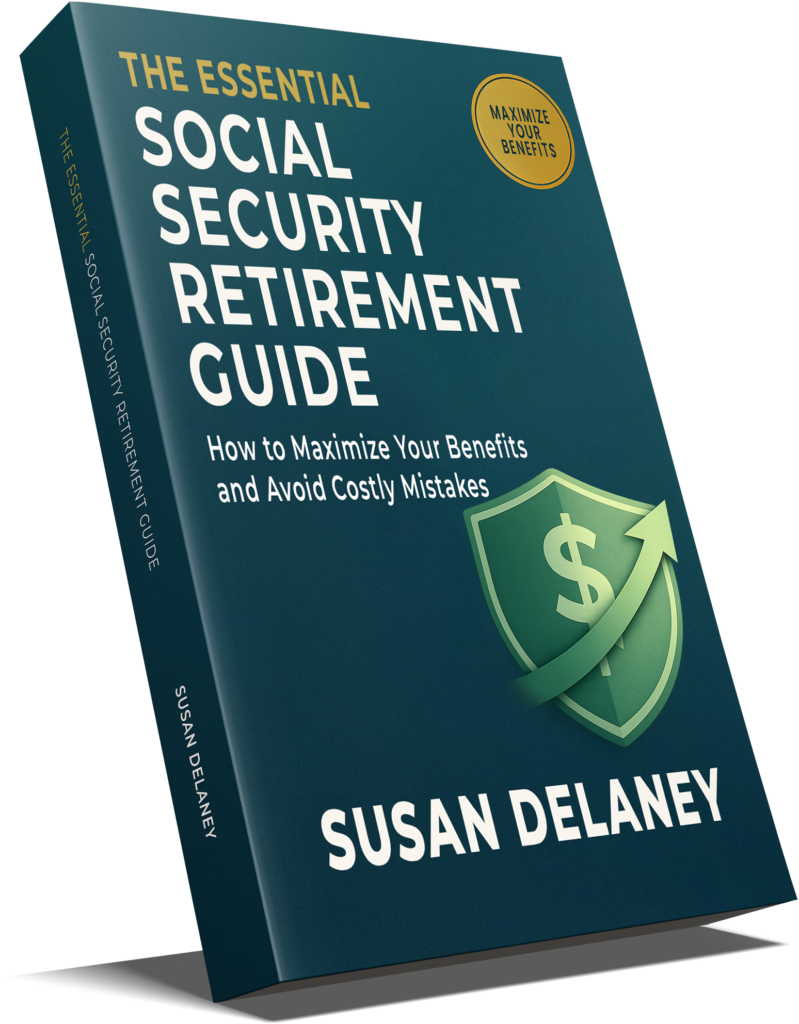


Planning for retirement can feel overwhelming, but understanding Social Security is one of the most valuable steps you can take toward long-term financial confidence. For millions of Americans, Social Security provides a core source of income in retirement, yet many people approach it with uncertainty.
The good news is that you do not need to be a financial expert to understand the basics. Once you know how benefits are earned, when you can claim, and why timing matters, you can make better retirement decisions with far more clarity.
What Social Security Is Designed to Do
Social Security is a federal program funded primarily through payroll taxes. During your working years, you pay into the system, and later you may qualify to receive retirement benefits based on your earnings history. It is not meant to replace all of your income, but for many retirees it becomes one of the most dependable parts of their retirement plan.
Because Social Security is adjusted over time and backed by the federal government, many people view it as a financial foundation rather than a bonus. That is why your claiming strategy matters so much.
How Benefits Are Built
Your retirement benefit is based largely on your highest 35 years of covered earnings. Those earnings are adjusted for wage growth, and then a formula is used to determine your benefit amount. If you worked fewer than 35 years, zeros are included in the calculation, which can reduce your projected benefit.
In simple terms, your work history and your claiming age are the two biggest forces shaping your monthly check.
When You Can Claim
You can generally begin claiming retirement benefits as early as age 62. However, claiming early permanently reduces your monthly amount. Waiting until your full retirement age gives you your standard benefit, and delaying beyond that point can increase your monthly payout up to age 70.
This is where strategy enters the picture. Claiming as soon as possible is not always the best choice. The right age depends on your health, income needs, other savings, and whether a spouse may depend on your record later.
Why So Many People Get Confused
Social Security seems simple from the outside, but the system includes rules around taxes, work income, spousal benefits, survivor benefits, and timing trade-offs. Many people make decisions based on fear, rumors, or what a friend did instead of examining their own situation.
That can lead to costly mistakes, especially when a decision permanently lowers a monthly benefit for the rest of retirement.
A Smarter Way to Think About It
Instead of asking only, “When can I claim?” ask better questions:
- How much would I receive at 62, full retirement age, and 70?
- Will I continue working in retirement?
- How important is guaranteed monthly income later in life?
- Will my decision affect a spouse or survivor benefit?
These questions can turn Social Security from a confusing milestone into a strategic retirement tool.
Final Thoughts
Social Security is one of the most important retirement income decisions you will ever make. Understanding the basics now can help you avoid guesswork later. With the right knowledge, you can claim with more confidence, protect more of your future income, and make smarter decisions for the years ahead.
Want a practical guide to maximizing your benefits and avoiding common mistakes? Explore The Essential Social Security Retirement Guide and build a smarter retirement strategy.
