Saving is only one half of retirement planning
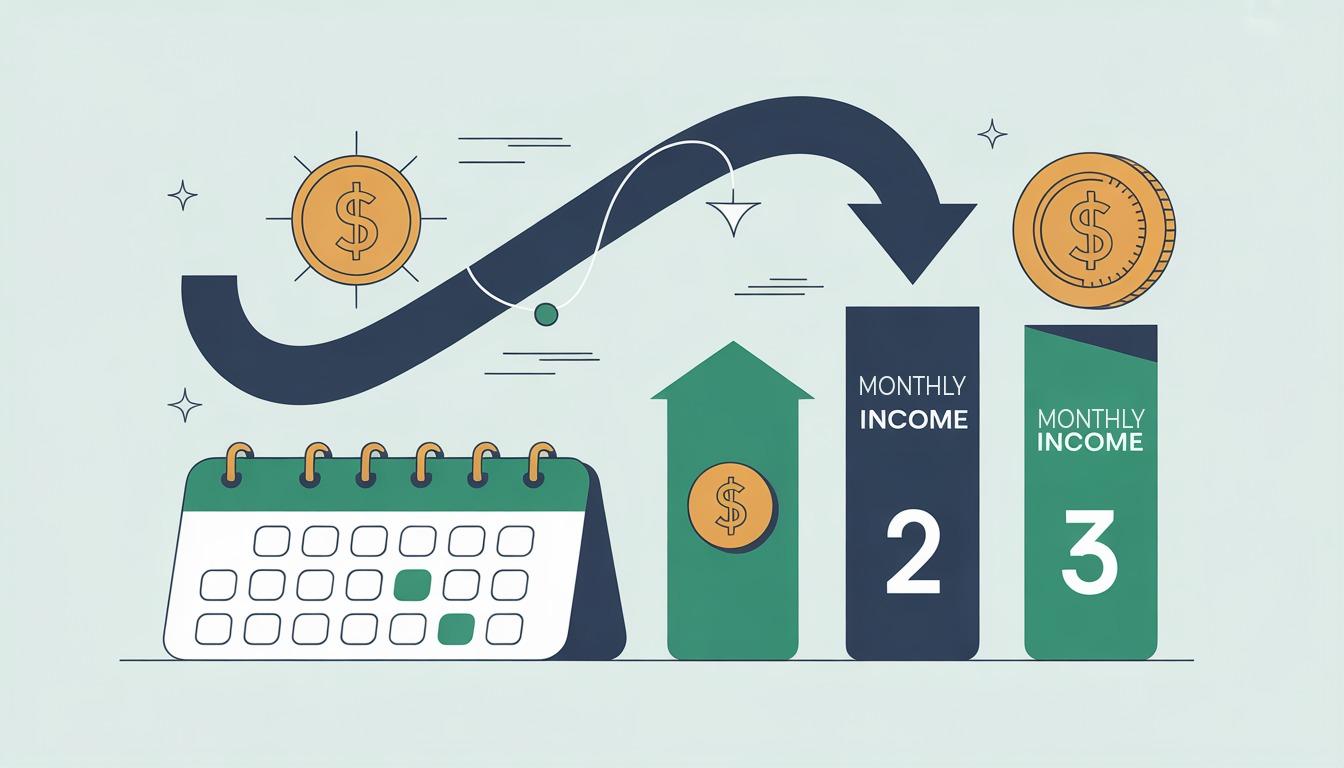
Many people spend years focusing on growing retirement balances but give much less thought to how those balances will eventually support day-to-day life. Retirement income planning is the bridge between “I saved” and “I can live on this.”
Start with spending, not only with account balances
The first step in retirement income planning is understanding what you expect to spend. That includes housing, food, healthcare, transportation, travel, and any support you may want to give family. Your future income plan should reflect your actual lifestyle, not just a generic target.
Identify your income sources
- 401(k) accounts
- IRAs
- Social Security
- Pensions, if available
- Taxable investment accounts or cash reserves
Why account type matters
Not all retirement dollars are equal. Some accounts may generate taxable withdrawals, while others may offer tax-free qualified withdrawals depending on the account structure. That is why retirement income planning is not just about the total number. It is also about where the money sits.
Sequence matters
One of the key retirement questions is which accounts to draw from first. The answer depends on taxes, market conditions, spending needs, and long-term goals. A thoughtful withdrawal sequence can help your money last longer and work more efficiently.
Build flexibility into the plan
Retirement income is easier to manage when your spending has some flexibility. If all of your expenses are fixed and high, market downturns may feel more stressful. A more flexible spending approach can help you adjust when needed without derailing the plan.
Protect against common risks
- Longevity risk: living longer than expected
- Inflation risk: rising prices over time
- Market risk: withdrawals during downturns
- Tax risk: inefficient account use
Think beyond a single withdrawal percentage
Many people look for one universal rule for withdrawals, but real retirement planning is more nuanced. Spending needs, tax treatment, account mix, and lifestyle flexibility all matter. Rules of thumb can help as starting points, but they should not replace thoughtful planning.
Final thoughts
Building retirement income from savings is not about guessing. It is about turning account balances into a practical, sustainable system that supports your life. The more clearly you understand spending, taxes, and account coordination, the more confidence you can have in retirement.
For a fuller roadmap to retirement savings, account strategy, and income planning, visit The Essential 401(k) & IRA Retirement Guide and view the book on your preferred online shop.
