Available Now — eBook, Audiobook, Paperback & Hardcover
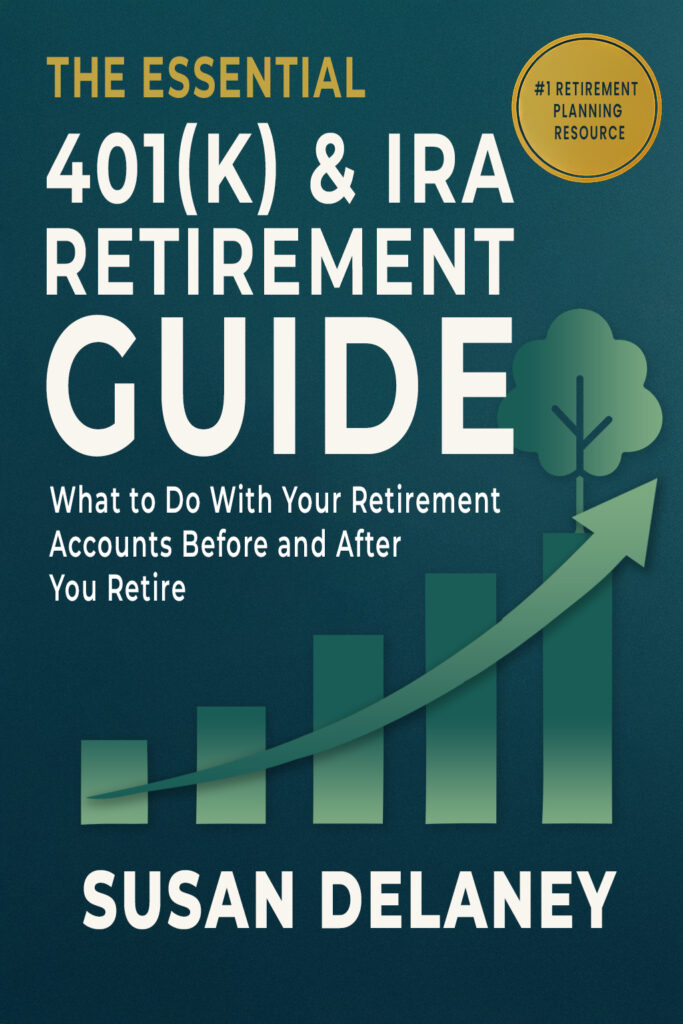
The Essential 401(k) & IRA Retirement Guide
by Susan Delaney (pen name) · Book 1 of the Essential Retirement Guide series
A practical guide to understanding your retirement accounts, avoiding costly mistakes, and building a stronger long-term plan — before and after you retire.
Also available in paperback & hardcover, and through Barnes & Noble, Kobo, Google Play, Waterstones, Thalia & more — pick your favorite store.
WHY THIS BOOK MATTERS
Most people set up a 401(k) once and never look at it again
That’s the problem. The account sits there for twenty or thirty years, and small decisions made early — how much to contribute, what to invest in, whether to roll it over — compound into a very different retirement than the one on autopilot.
Missed match. Not contributing enough to get the full employer match leaves free money on the table, year after year.
Wrong withdrawal order. Pulling from the wrong account first at retirement can push you into a higher tax bracket than necessary.
No rollover plan. Leaving old 401(k)s scattered across former employers instead of consolidating them.
This guide walks through each of these before they become expensive.

Who this book is for
Built for the decade before retirement

What’s inside
Twelve chapters, in the order you’ll actually use them
- Meet Your Retirement MVPs: 401(k)s and IRAs Unveiled
- How Money Grows: The Magic of Compound Interest
- Types of Retirement Accounts: Which One’s Your BFF?
- Starting Strong: Opening and Funding Your Account
- Contributions and Matching: Maximizing Every Dollar
- Investing Basics: Where Does the Money Go?
- Taxes, Penalties, and Loopholes: Outwitting the IRS
- Understanding Risk: Keeping Your Cool Through Market Storms
- Advanced Tactics: Rollovers, Loans, and Conversions
- Making It Work: Real-Life Scenarios and Action Plans
- Beyond Retirement: Broader Money Moves for a Rich Life
- Winning the Long Game: Staying On Track for Life
Get the Free Retirement Planning Toolkit
10 free tools to help you avoid the retirement mistakes that cost most people thousands.
Download practical worksheets, checklists, and planning tools to help you make smarter retirement decisions.
- Retirement Vision & Goals Planner
- Net Worth Snapshot
- Retirement Expense Estimator
- Retirement Income Projection
- Social Security Claiming Planner
- Retirement Accounts Tracker
- Retirement Tax Planning Overview
- Withdrawal Strategy Planner
- Healthcare & Insurance Planner
- Annual Retirement Review Checklist
Access Your FREE Toolkit
No spam. Unsubscribe anytime with one click.
We respect your inbox and only send occasional updates and new resource announcements.
Available now in The Essential Retirement Strategy Series
A growing library of practical retirement guides designed to help readers navigate the most important financial decisions of later life.
The Essential Social Security Retirement Guide
How to maximize your benefits and avoid costly mistakes.
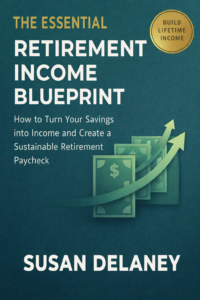
The Essential Retirement Income Blueprint
How to turn savings into reliable income streams that last throughout retirement.
Frequently Asked Questions
What Is a 401(k)?
A 401(k) is a tax-advantaged retirement savings plan offered by employers. It allows you to contribute a portion of your salary toward retirement, often with added benefits like employer matching and tax savings.
For many people, a 401(k) is the foundation of their retirement plan.
Why a 401(k) Matters
A 401(k) gives you three major advantages:
- Tax benefits – Contributions may reduce your taxable income
- Employer matching – Free money added to your account
- Compound growth – Your investments grow over time
Starting early—even with small contributions—can make a significant difference in your long-term wealth.
Types of 401(k) Plans
Traditional 401(k)
- Contributions are made before tax
- Lowers your taxable income today
- Withdrawals are taxed in retirement
Roth 401(k)
- Contributions are made after tax
- No tax break today
- Qualified withdrawals are tax-free in retirement
Choosing between the two depends on whether you expect to pay more tax now or later.
How Much Should You Contribute?
A good starting point is:
- Contribute at least enough to get the full employer match
- Aim for 10–15% of your income over time
Even small increases each year can significantly boost your retirement savings.
What happens if I leave my job?
When you leave your job, you have several options for your 401(k). You can leave it in your current plan, roll it into a new employer’s 401(k), or transfer it into an IRA. Rolling it over is often the most flexible option and helps you avoid taxes or penalties.
Can I have both a 401(k) and IRA?
Yes, you can have both a 401(k) and an IRA. Many people use a 401(k) through their employer while also contributing to an IRA for additional tax advantages and investment flexibility.
Start Building a Stronger Retirement Foundation Today
Twelve chapters. Real worksheets. No jargon left unexplained.