
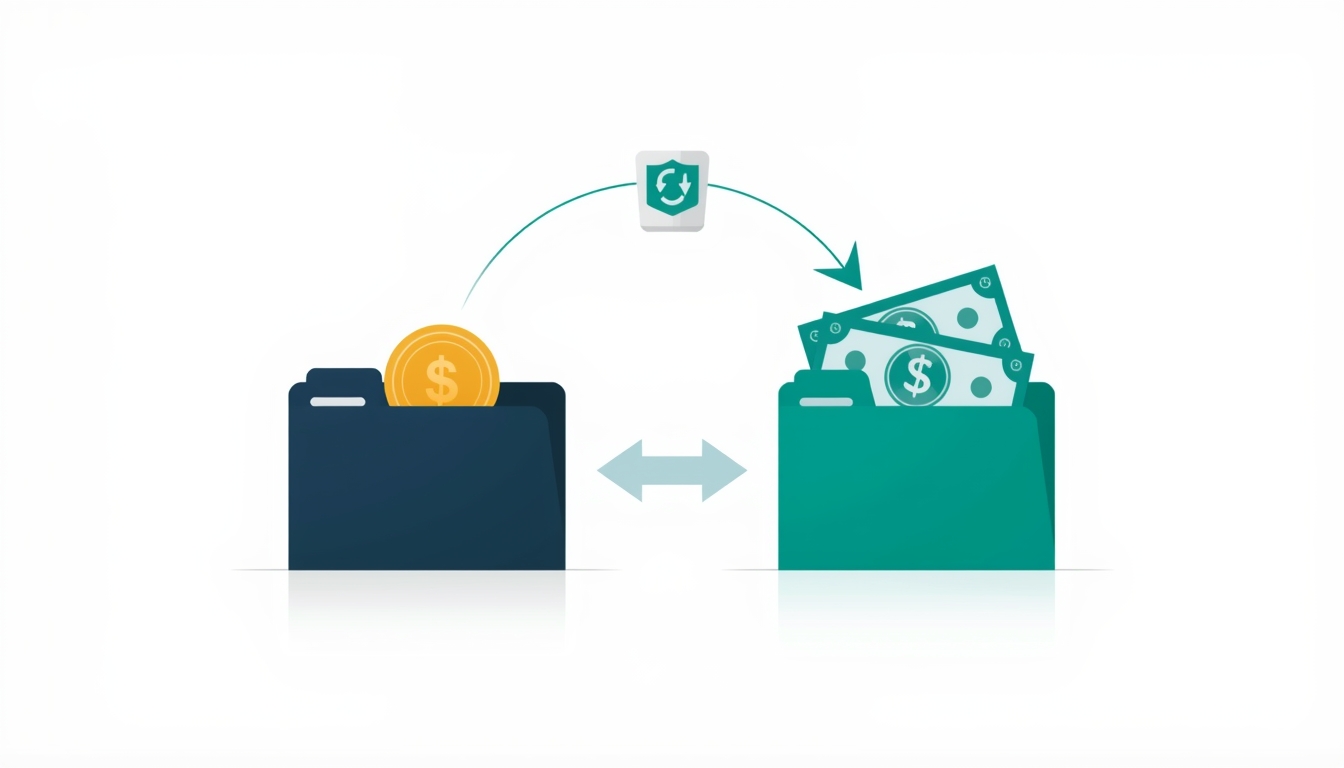
A Roth conversion can be useful, but it is not automatically the right move
A Roth conversion involves moving money from a tax-deferred retirement account into a Roth account. The appeal is that you pay taxes on the converted amount now in exchange for potential tax-free qualified withdrawals later.
Why some people consider conversions
A Roth conversion may look attractive if you expect your future tax rate to be the same or higher, or if you want more tax diversification in retirement. Some savers also like the idea of reducing future dependence on fully taxable withdrawals.
Why timing matters
The biggest issue is usually the tax bill created by the conversion. A strategy that looks great in theory can become much less attractive if the conversion pushes a large amount of income into a higher tax situation than expected.
Situations where people often explore conversions
- Years with lower income than usual
- Periods between retirement and other income sources beginning
- Long-term plans that benefit from greater tax flexibility later
Final thoughts
A Roth conversion can make sense in the right circumstances, but it should be approached as a tax strategy, not a trend. The smarter move is to understand the tradeoffs clearly and decide whether the present tax cost supports your future retirement plan.
For a clearer guide to retirement taxes, account strategy, and long-term planning, visit The Essential 401(k) & IRA Retirement Guide and see the book on Amazon.
